
Smart LED lighting: a fusion of modern design and technology
Smart LED lighting represents a combination of advanced technology and modern design,


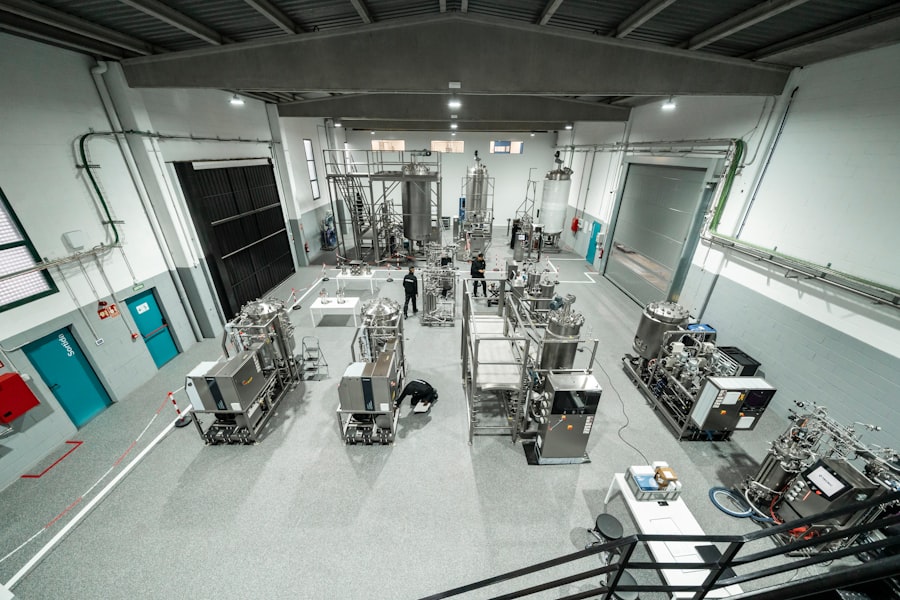
Industrial systems represent complex assemblies of machines, equipment, people and procedures that work together to achieve specific goals in production or service provision. These systems cover a wide range of industrial sectors, including manufacturing, energy, transportation and many others. Essentially, industrial systems are designed to optimize efficiency, reduce costs and improve the quality of products or services.
For example, in the automotive industry, an industrial system can include everything from production lines to inventory management systems, and each part of the system must work in harmony to achieve the desired result. In addition to physical components, industrial systems also include software tools and technologies that enable data collection and analysis. This data is crucial for making informed decisions and improving processes.
For example, using sensors to monitor machine performance can help identify potential problems before they become serious, thereby reducing downtime and increasing productivity. In this context, understanding the structure and functionality of industrial systems is essential to the success of any manufacturing or service organization.
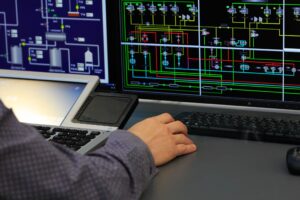
The monitoring and control system (IMS) is a key element in the management of industrial systems because it enables the monitoring and management of all aspects of the production process. This system enables real-time data collection, which is essential for identifying problems and making timely decisions. For example, if a breakdown occurs in a part of the production line, the monitoring system can immediately notify operators of the problem, reducing downtime and increasing efficiency.
In addition, the monitoring and control system enables the analysis of data collected during the production process. This analysis can reveal patterns and trends that can help optimize processes. For example, if the analysis shows that a certain machine often requires repair, this may indicate the need for its upgrade or replacement.
Also, a monitoring system can help identify inefficiencies in the process, which can lead to cost reduction and increased profitability.
The monitoring system of the IMS system functions through the integration of various technologies and tools that enable the collection, processing and analysis of data. Basically, this system relies on sensors and devices that monitor the performance of machines and equipment in real time. These sensors can measure various parameters such as temperature, pressure, speed and other relevant factors affecting the production process.
The data collected by the sensors is sent to a centralized data processing system, where it is analyzed and interpreted. This process may involve the use of advanced algorithms and artificial intelligence to identify patterns and anomalies. For example, if a sensor detects that the machine's temperature is outside the normal range, the system can automatically initiate a procedure to shut down the machine to prevent further damage.
This level of automation not only improves security, but also reduces the need for human intervention in routine tasks.
| Key components of the IMS system monitoring system |
|---|
| 1. Monitoring servers |
| 2. Client monitoring software |
| 3. Network equipment for connecting the system |
| 4. Sensors for measuring system parameters |
| 5. Data analysis software |
Key components of an IMS system monitoring system include sensors, control units, data analysis software, and communication protocols. Sensors are basic elements that monitor physical parameters in the production process. They can be of various types, including temperature sensors, pressure sensors, vibration sensors and many others.
Each of these sensors plays a key role in collecting the data necessary for effective process management. The control units are responsible for processing the data collected by the sensors. These units can be hardware or software and usually include microprocessors that analyze the data in real time.
Data analysis software allows users to visualize information and identify trends or problems that occur during the production process. Communication protocols are also essential because they allow different system components to communicate with each other and exchange information.
The control of the IMS system is carried out through a series of procedures that ensure that all aspects of the production process are functioning as they should. This includes regular monitoring of machinery and equipment performance, as well as analysis of data collected through sensors. For example, operators can use monitoring software to track key performance indicators (KPIs) such as production speed, error rate, and downtime.
In addition, the control of the IMS system also includes the implementation of equipment maintenance procedures. Regular maintenance is key to preventing breakdowns and extending the life of machines. This may include routine checks, replacing wear parts or upgrading equipment to improve performance.
In some cases, control may also include the use of predictive maintenance, which relies on data analysis to predict potential problems before they occur.
Using an IMS monitoring and control system brings numerous benefits to industrial organizations. First, it enables the improvement of production efficiency through process optimization. When all aspects of production are monitored in real time, operators can quickly react to problems and adjust processes to reduce downtime.
Secondly, such systems contribute to increasing product quality. Continuous monitoring of machine performance enables identification of errors or deviations from quality standards before products leave the production line. This can significantly reduce the cost of product returns or complaints.
Also, a monitoring system can help identify patterns that indicate the need to improve the quality of raw materials or components used in production.
Implementing an IMS monitoring and control system requires careful planning and strategy. First, organizations must identify the specific needs of their manufacturing process in order to select appropriate technologies and tools. This may include analyzing current operations to determine where improvements are needed.
After identifying the needs, the next step is the selection of appropriate sensors and software solutions that will be integrated into the existing system. This process may require collaboration with technology providers to ensure solutions are tailored to specific industry requirements. It is also important to ensure that employees are trained so that they can effectively use new tools and technologies.
The future of industrial systems lies in the further development of technologies that will improve the monitoring and control systems of IMS systems. With advances in artificial intelligence and machine learning, these systems are expected to become even more sophisticated in analyzing data and predicting problems before they happen. For example, using predictive maintenance algorithms can significantly reduce maintenance costs and increase efficiency.
Also, the development of Internet of Things (IoT) technologies enables the connection of various devices within the industrial environment, thus creating a network that can automatically exchange data and optimize processes without human intervention. This integration will enable even greater automation and efficiency in industrial systems, which will open up new opportunities for innovation and business improvement.
Smart LED lighting represents a combination of advanced technology and modern design,

The GSM 4G LTE controller is a practical solution for remote control

In today's world, security and protection are becoming more and more important, how

Smart street lighting: Innovation that illuminates the future Smart street lighting